How the DJI Avata 360 Changes the Way You Shoot FPV Footage
Mar 27, 2026
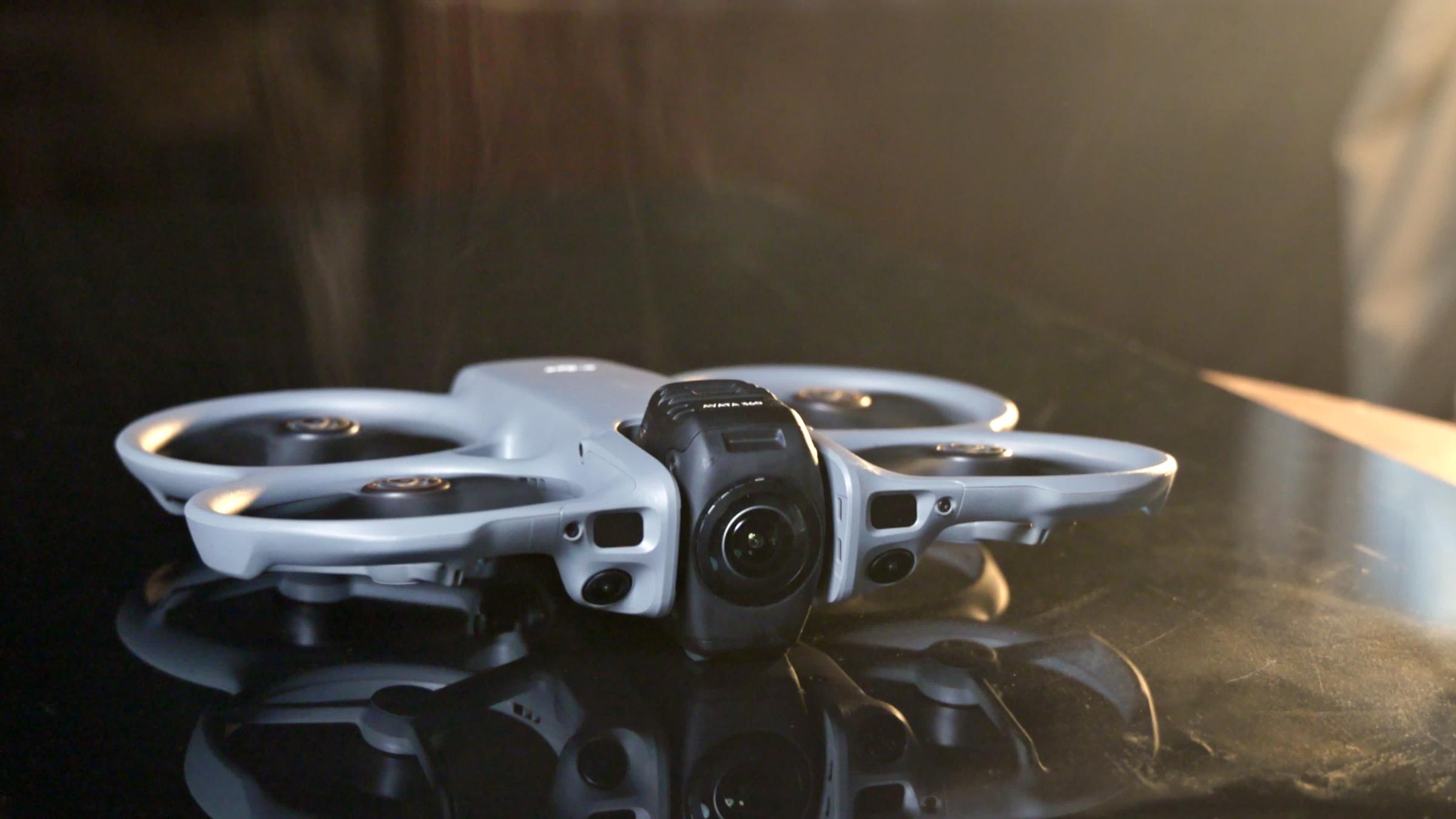
If you have ever tried to fly a drone and film something exciting at the same time, you know how hard it is to frame everything perfectly. The DJI Avata 360 tries to solve that problem in a clever way. It combines DJI’s Avata FPV platform with a dual lens 360 camera so you can capture everything around the drone first and decide on the framing later. That approach opens up a lot of creative possibilities, but it also comes with a few compromises.
At the core of the Avata 360 are two ultrawide f/1.9 lenses with 1.1 inch 64 megapixel sensors, one facing up and one facing down. Together they record a 200 degree view that is stitched into 8K 360 degree footage at up to 60 frames per second. In practice, you just focus on flying safely and smoothly while the drone records the full sphere. Later, you jump into DJI Studio and reframe your final shots into standard flat video, picking whatever angle you want as if you had several cameras in the air at once.
The 360 capture also transforms the FPV experience. When you fly with DJI’s Goggles N3 and head tracking, you can simply turn your head to look around inside the 360 view, which makes flights feel more immersive than a traditional forward facing feed. Unlike Insta360’s Antigravity A1 that only shoots 360 video, the Avata 360 can switch into a single camera mode where the lens rotates forward and records 4K video at up to 60 frames per second with a 28 millimeter field of view. You can fly with goggles, or choose a more conventional setup using the RC 2 screen controller.
Because of the chunky 360 module, the Avata 360 is larger and heavier than the Avata 2. At 455 grams it falls outside the sub 250 gram category, so you need to pay attention to local regulations. The upside is a robust, people safe design. The props sit inside a full ducted frame, which is reassuring when you fly indoors or close to subjects like athletes, riders or even horses. DJI adds omni obstacle sensors on the sides, a front Lidar unit, and landing sensors on the bottom, plus a foldable landing mat to keep the lenses off loose dirt and stones.
In the air, the Avata 360 feels like a capable cinewhoop style FPV drone. It can hit around 40 miles per hour in sport mode, or about 35 miles per hour in normal mode with obstacle avoidance enabled. With the FPV Remote Controller 3 you can do flips, rolls and tight lines through gaps, which makes it fun for chasing bikes, runners or vehicles. Battery life is rated at 24 minutes but in real flying you should expect closer to 18 minutes, so a kit with extra batteries and a fast charger is almost essential.
Noise levels are higher than something like the Mini 4 Pro, but the tone is less harsh than smaller FPV quads thanks to the larger props. During tests around trick riding horses, the sound was noticeable but not alarming, which is important if you plan to fly near animals or crowds. Video transmission uses DJI’s OcuSync 4.0 Plus system to send a 1080p 60 fps feed to the goggles or controller, with a claimed maximum range of up to 20 kilometers in ideal conditions, although real world flying should always respect local rules and line of sight.
On the smart feature side, the Avata 360 inherits DJI’s familiar tracking and safety tools, at least when you fly with the RC 2 controller. You can draw a box around a subject on the screen to activate Focus Track and choose modes like Spotlight, Point of Interest or ActiveTrack. In testing along narrow forest lanes and around bamboo structures, the drone avoided most obstacles and, when it brushed small branches or leaves, the prop guards often prevented a crash. In single camera mode the drone cannot see behind itself, so if you fly backwards you still need to stay alert.
Image quality is where the tradeoffs show. The camera technically records 8K, but that resolution is spread around the full 360 sphere. Once you crop and reframe into a flat shot, you are effectively working with something closer to 4K or below, depending on your framing. There is also digital zoom instead of optical zoom, which reduces detail when you punch in. Stitching can leave a faint seam where the two lenses meet, and the dewarping needed to convert the ultrawide view into a flat frame can soften the edges.
Stabilization is handled electronically rather than with a traditional three axis gimbal. For 360 capture the camera is fixed, so DJI uses action camera style electronic stabilization. In bright light it works well and delivers smooth footage with decent color and dynamic range. In low light, however, the electronic stabilization relies on slower shutter speeds, which can introduce motion blur and visible artifacts. Night cityscapes look softer and less controlled than what you get from drones like the Mini 5 Pro, Air 3S or Avata 4 Pro.
To edit your footage, you bring it into DJI Studio. There you can set keyframes, change angles, create virtual pans and tilts, and let Intelligent Tracking keep your subject in the center of the frame. It is not as feature rich as Insta360’s software, but it covers the essentials. Many creators will still export reframed clips to an editor such as DaVinci Resolve for color grading and final cuts.
So who is the Avata 360 for. It is clearly aimed at a specific type of user. If you are a vlogger, FPV pilot, extreme action shooter or solo filmmaker who values flexibility and the ability to reframe shots in post, this drone is very appealing. You can capture one dynamic flight and later decide whether you want a front view, a rear chase angle, a side shot or even a top down perspective. That can replace multiple flights and setups, especially in situations where you only get one chance to capture the moment.
If, on the other hand, you care more about pure image quality and low light performance than about 360 flexibility, DJI’s more conventional drones remain the better choice. Models like the Mini 5 Pro, Air 3S or Avata 4 Pro offer sharper video, better performance at night and more traditional gimbal stabilization. The Avata 360 sits beside them as a niche tool that trades some pixels for people safe FPV flying and creative freedom in the edit.
In short, the DJI Avata 360 is not the perfect drone for everyone, but it is a very interesting option for creators who want to capture everything first and decide on the story later.